
Wildfire Season in British Columbia: Resources Every Homeowner Should Know
Wildfire season in BC: FireSmart tips, insurance checks, emergency planning, and the official resources every Okanagan homeowner should have bookmarked.

Like so many of you, I've spent the past while watching this wildfire season unfold with my heart in my throat. Friends. Clients. Neighbours. Whole communities packing what they can into the back of a vehicle and driving away from everything they've built. If that's you right now, please know you've been on my mind constantly.
We can't control Mother Nature. I've made my peace with that. But we can be prepared.
So whether you own a home here, you're thinking about buying one, or you simply love this valley the way I do, here's what I want you to have bookmarked, sorted, and ready long before you ever need it.
Start with FireSmart
Here's the thing that surprised me most when I first started really learning about this: most homes aren't lost to a dramatic wall of flame. They're lost to embers. Wind carries them well ahead of the fire itself, they land in a gutter full of dry needles or against a woodpile stacked by the back wall, and that's how it starts.
Which is scary, but also very preventable.
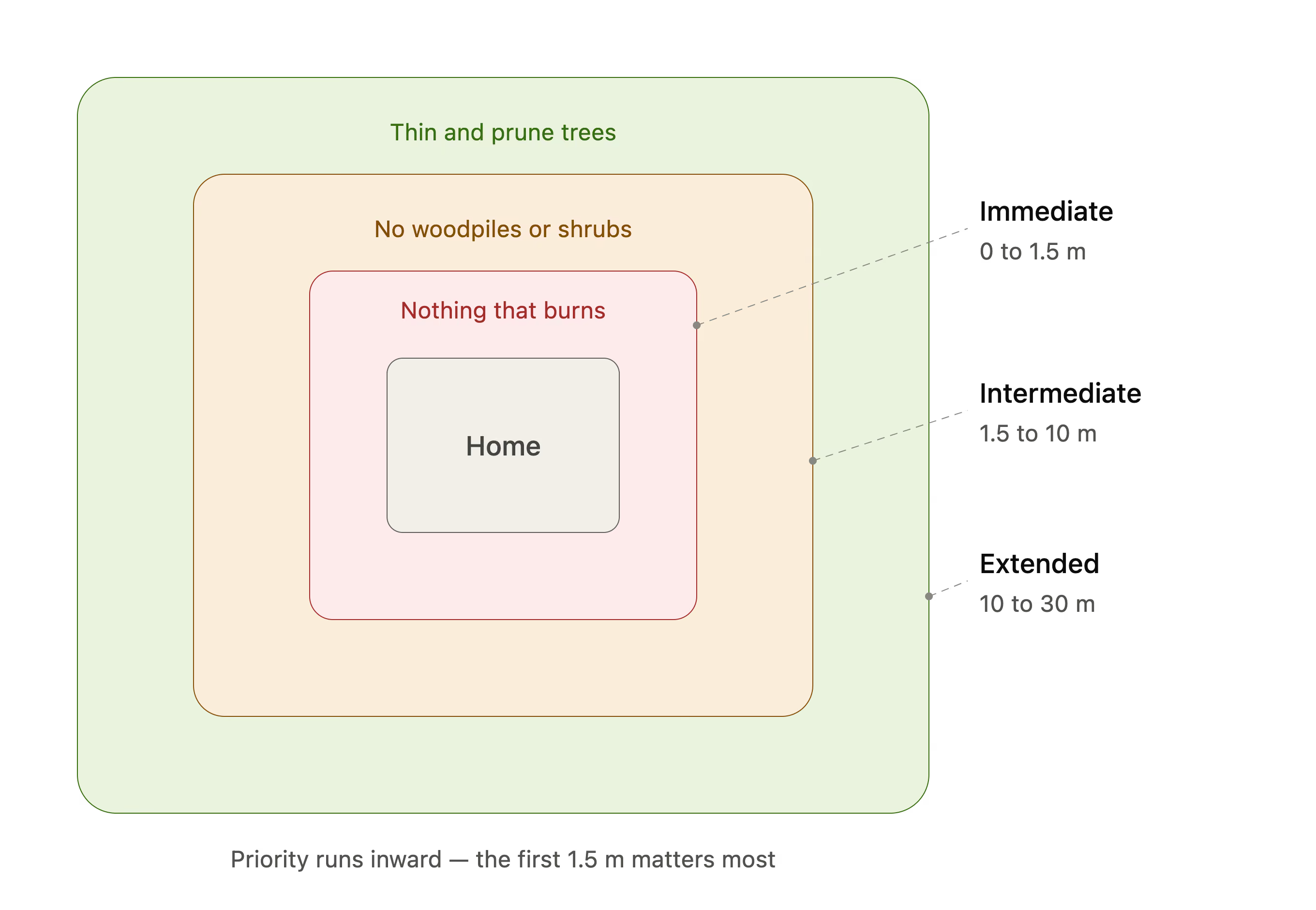
- Clear combustible material like bark mulch, firewood, patio furniture cushions away from the first metre and a half around your home
- Clean your gutters and roof valleys
- Prune tree branches back and thin out anything overhanging the roof
- Maintain defensible space so the fire has less to grab onto as it approaches
FireSmart BC has a full home assessment program and a wildfire preparedness guide at firesmartbc.ca, and I'd genuinely encourage you to walk your property with it one weekend. An afternoon's work now buys you a lot of peace later.
Review Your Insurance.
This is one people put off, and it's the one that hurts most to have skipped.
Take twenty minutes this week and:
- Confirm your policy limits still reflect what it would actually cost to rebuild
- Understand exactly what your policy covers if you're placed under an evacuation order
- Check your additional living expense coverage. This is what funds a hotel and meals when you can't go home
- Build a home inventory. Walk through with your phone, video every room, open the closets and cupboards. It takes fifteen minutes and it's worth its weight in gold at claim time
- Store your important documents somewhere you can reach them from a laptop or a phone
All of this is dramatically easier to do on a quiet Tuesday than at eleven at night during an evacuation order.
Have a Plan Before You Need One
Every household should know the answer to "what do we do?" before anyone has to ask it.
Prepare a 72-hour kit for each family member, plus:
- Medications, prescriptions, and any medical information someone would need to treat you
- Pet food, leashes, carriers, and vaccination records
- Chargers and backup batteries
- Copies of ID, insurance, and financial documents
- A written list of emergency contacts (because your phone might not be in your hand)
Then talk it through. Know at least two ways out of your neighbourhood. Pick a meeting spot outside the area in case an order comes while you're scattered at work and school.
One more thing I really want you to do: pre-register with Emergency Support Services at ess.gov.bc.ca. You can do it right now, before anything is happening, from your couch. It means that if you ever do have to leave, you're logging into an existing profile instead of filling out forms in a gymnasium at midnight. It takes ten minutes and it's free.
Where to Get Real Information
During an active fire, information moves fast and so does misinformation. These are the sources I check, in this order:
- BC Wildfire Service (bcwildfire.ca). Active fire map, danger ratings, restrictions. Their mobile app is excellent and worth downloading before you need it.
- EmergencyInfoBC (emergencyinfobc.ca). The authority on evacuation alerts and orders. EmergencyMapBC shows you exactly what's in effect and where.
- Your local emergency operations centre. For us, Central Okanagan Emergency Management at coemergency.ca, and RDOS at rdos.bc.ca for the south. Sign up for their notification systems.
- PreparedBC (preparedbc.ca). Planning guides and checklists for the calm-weather work
- BC 211 (bc.211.ca). Evacuation supports, community services, and where to find help
And for the smoke: the BC Centre for Disease Control has solid, practical guidance on keeping indoor air clean, which matters enormously if you have little ones, older parents, or anyone with asthma in the house.
Official sources first. Always. Your neighbour's cousin's Facebook post, never.
What This Means When You're Buying or Selling
I'll keep this brief, because it's not the most important thing on the page today.
Wildfire risk has become a real consideration in Okanagan real estate, and pretending otherwise doesn't serve anyone. If you're buying, it's worth understanding a property's exposure, what insurance will look like, the area's evacuation history, and whether the community has FireSmart initiatives underway. If you're selling, mitigation work you've already done is worth documenting. Buyers notice, and it gives them confidence.
We Are So Much Stronger Together
Here's what I keep coming back to.
I've watched neighbours show up for neighbours with trailers and spare rooms. I've watched businesses open their doors to evacuees. I've watched volunteers give hours they didn't have. And I've watched crews work through the night, again and again, to hold a line so the rest of us can sleep.
That's the Okanagan. That's who we are when it counts.
If you've been displaced, or you're sitting on alert waiting, or you're just anxious and not sure where to start, reach out. I may not be able to fix it, but I can almost always point you toward someone who can.
And if you're looking for a way to help: cash donations to established organizations working directly with affected communities do far more good than donated goods, which are hard to sort and store in the middle of an active emergency.
Stay safe. Look after each other. And to every firefighter, first responder, emergency support worker, and volunteer out there right now, thank you.